Sarah Auma
Disability rights in Kenya are an important part of building a fair, inclusive society where every person has equal access to opportunities, services, and dignity. Over the years, Kenya has made significant progress in recognizing and protecting the rights of persons with disabilities through laws, policies, and advocacy efforts. This guide breaks down what disability rights mean, the key laws in place, and how they are applied in everyday life.
What Are Disability Rights?
Disability rights refer to the legal and human rights that ensure persons with disabilities can live independently and participate fully in society without discrimination. These rights cover areas such as:
- Education
- Employment
- Healthcare
- Accessibility (buildings, transport, and information)
- Political participation
- Protection from discrimination
In simple terms, disability rights ensure equal opportunity for all.
Key Laws Protecting Disability Rights in Kenya
Kenya has one of the more progressive legal frameworks for disability inclusion in Africa.
1. The Constitution of Kenya (2010)
The Constitution guarantees equality and non-discrimination for all citizens, including persons with disabilities. It also requires the government to ensure access to education, employment, and public services.
2. Persons with Disabilities Act (2003)
The Persons with Disabilities Act 2003 is the main law specifically focused on protecting and promoting the rights of persons with disabilities in Kenya. It provides for:
- Equal rights and opportunities
- Accessibility in public buildings and transport
- Tax exemptions and incentives
- Establishment of support institutions
3. UN Convention on the Rights of Persons with Disabilities (CRPD)
The UN Convention on the Rights of Persons with Disabilities is an international agreement that Kenya has adopted. It sets global standards for disability inclusion and human rights, emphasizing dignity, independence, and full participation in society.
Key Institutions Supporting Disability Rights
National Council for Persons with Disabilities (NCPWD)
The National Council for Persons with Disabilities is the main government body responsible for implementing disability policies and programs in Kenya. It works to:
- Register persons with disabilities
- Provide assistive devices and support
- Promote accessibility and inclusion
- Coordinate disability programs nationwide
United Disabled Persons of Kenya (UDPK)
The United Disabled Persons of Kenya is a major advocacy organization that represents and supports persons with disabilities. It focuses on:
- Advocacy for rights and inclusion
- Policy influence
- Community empowerment
- Awareness creation
Common Rights of Persons with Disabilities in Kenya
1. Right to Education
Persons with disabilities have the right to free and accessible education in inclusive schools and institutions.
2. Right to Employment
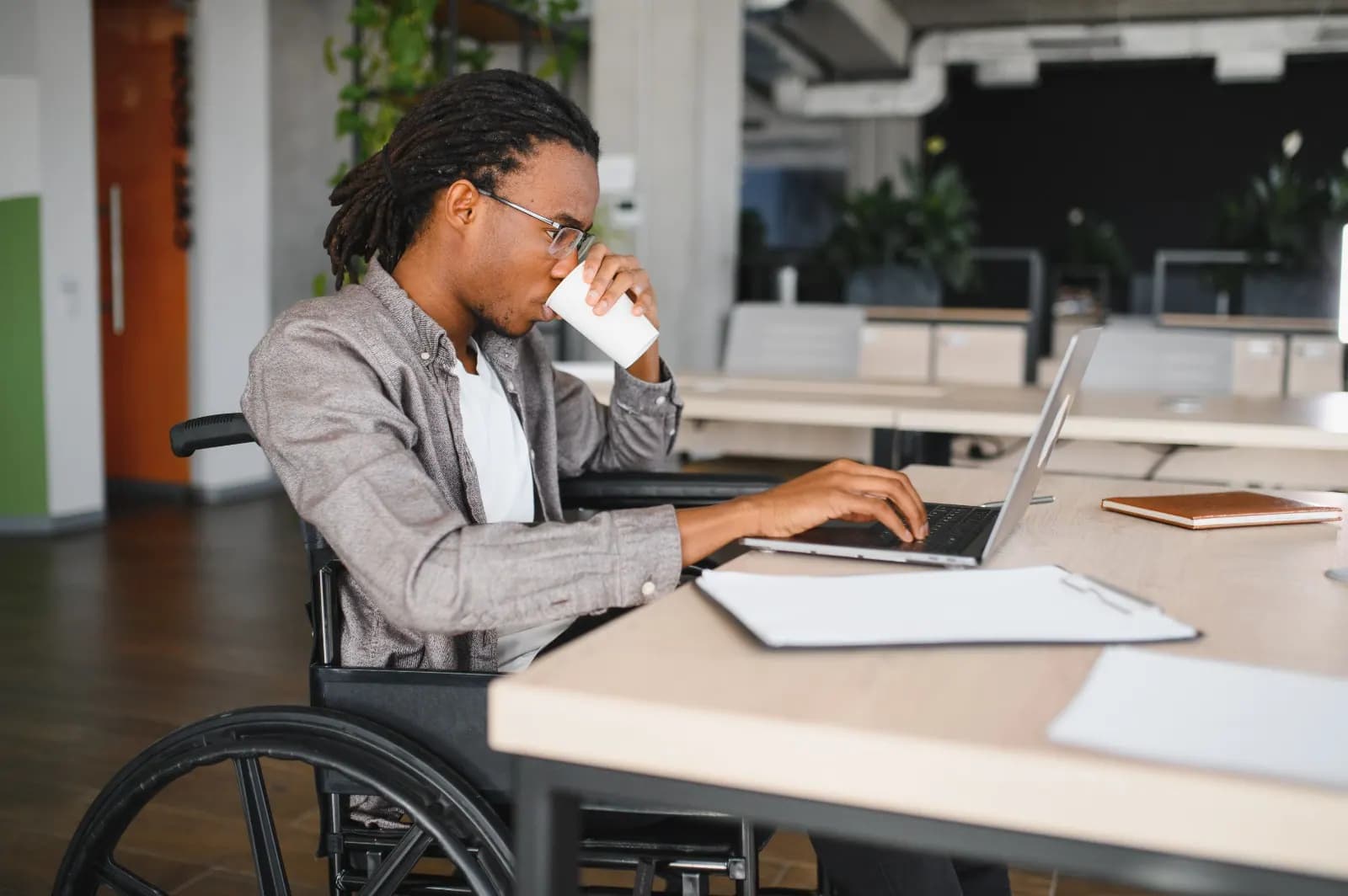
Employers are encouraged and in some cases required to provide fair opportunities and reasonable accommodation.
3. Right to Accessibility
Public buildings, transport systems, and digital platforms should be accessible to all.
4. Right to Healthcare
Access to affordable and appropriate healthcare services is a fundamental right.
5. Right to Participation
Persons with disabilities have the right to vote and take part in public decision-making.
Challenges Still Faced
Despite strong laws, challenges remain, including:
- Limited accessibility in many public spaces
- Stigma and discrimination
- High unemployment rates
- Lack of assistive devices in rural areas
- Inconsistent enforcement of laws
Moving Toward a More Inclusive Future
Kenya continues to improve disability inclusion through policy reforms, advocacy, and awareness campaigns. However, real progress depends on collaboration between government institutions, civil society, and the public.
True inclusion means moving beyond compliance and building a society where everyone can fully participate without barriers. Disability rights are human rights. In Kenya, the legal framework is strong, but implementation remains key. By increasing awareness and improving accessibility, the country can continue moving toward a more inclusive and equal society for all.
About Sarah Auma
Sarah Auma is the founder and director of Sarah Auma Foundation. With a deep commitment to empowering persons living with disabilities in rural Kenya, she has dedicated her life to providing medical care, nutritional support, and emotional guidance to those who need it most.